*By Mira Vale, CryptoGamesNews Game Intelligence Editor*
Etherscape makes a useful connection between its action RPG rules and its blockchain features: equipment can disappear when a character dies, while selected items can be preserved through minting. That creates a concrete reason to consider ownership beyond collecting a token. Whether the resulting decisions feel rewarding over many sessions remains a question for playtesting.
This is a source-based review of the documented open alpha as checked on October 19, 2026. We have not played the build, measured performance or tested transactions.
The current game and its team
The official website identifies Etherscape as an alpha available to play for free through Epic. The store listing names The Etherscape as developer and publisher and describes a multiplayer rogue-lite action RPG with co-op. The team page identifies founder Sam Bayless as its team lead and developer.
Activity is supported by the Nightfall release notes, which label version 0.34.1.1 with an October 12 date. That is evidence of recent development, not proof that every player will encounter an identical or trouble-free experience. Open alpha remains the appropriate description.
A loot loop built around exposure to loss
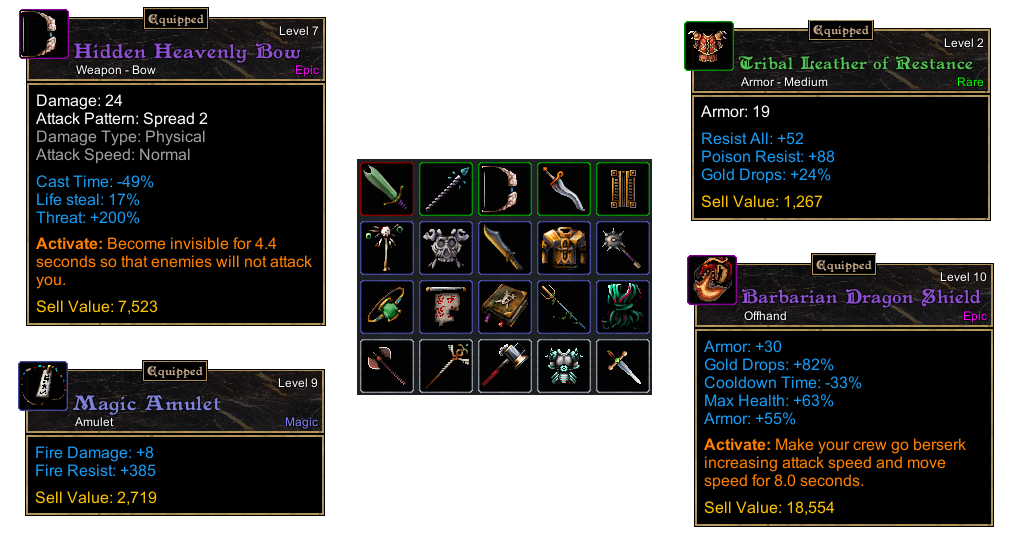
According to the rogue-lite guide, characters face permanent death, with non-Etherbound items lost when they die. Procedural elements affect maps, dungeons, quests and loot. The documented loop therefore combines adventuring, collecting equipment and deciding what to risk on another attempt.
Our assessment is that this gives equipment decisions more weight than a straightforward sequence of upgrades. A powerful find can improve the next run while also becoming something a player hesitates to lose. Randomized content could support repeated experimentation, although documentation alone cannot establish encounter variety or how quickly repetition sets in.
Progression that survives individual characters
The mastery guide describes account-wide progression: using relevant skills can award experience, unlocking permanent bonuses shared across characters. Mining is its concrete example, with progression increasing mining power.
That provides a second measure of success alongside surviving with valuable equipment. In design terms, lasting account improvements can soften a failed run without removing the consequences of death. The guide also mixes implemented tracks with forthcoming ones, so readers should not interpret every listed progression path as available today.
Where Enjin ownership fits
The store identifies Enjin Blockchain as the game's blockchain integration. The Etherbound guide explains that suitable loot can be taken to the Etherforge and minted into NFTs using Enjin Coin or Gems. These items persist through death and can be held in a wallet and traded.
This is the strongest documented part of the ownership proposition: preservation changes how an item functions across runs. It also adds a separate decision about which equipment deserves resources spent on minting. Tradability does not establish resale demand, and this review makes no earnings estimate.
The economy guide describes equipment slots, class restrictions and multiple rarities. For a new player, understanding those gameplay relationships seems more useful than treating rarity alone as a reason to collect.
Seasonal depth and its limitations
Nightfall is scheduled from October 13 to November 15. Its patch notes describe Haunted Chests that may provide treasure, trigger ambushes or impose curses, alongside seasonal enemies and rewards. Bone Effigies can be purchased or crafted and then consumed with additional resources for randomized seasonal rewards.
Those systems potentially give established players fresh reasons to revisit ordinary quest maps. They also introduce overlapping resources and deadlines that may be demanding for newcomers. The notes describe stronger bosses and increased loot rolls; neither change establishes easier progression or better realized rewards for an individual player.
Who the open alpha suits
Etherscape looks most relevant to players who enjoy dungeon loot, cooperative worlds and deliberate preparation for losses. Its documented strengths are persistent mastery and a practical role for item preservation.
The main reservations are the unfinished build, layered economy and unanswered questions about combat feel, onboarding and long-term repetition. The free entry offers a way to evaluate the core game before deciding whether its ownership systems add enough to the experience.