The game is easier to verify than the economy
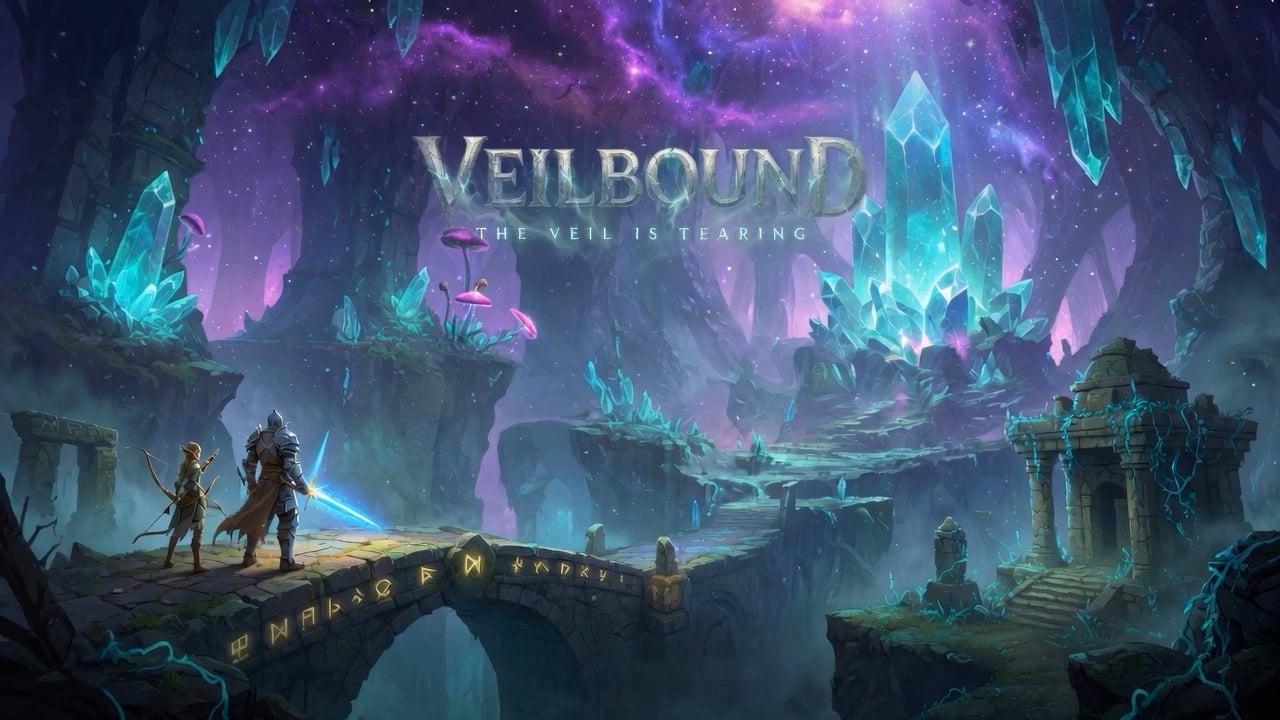
Veilbound is a free browser MMORPG that can be opened without downloading a launcher. Its official site presents nine classes, level-based progression, open zones, quests, guilds, parties, player trading and several named dungeons. That gives the project something many token-led game launches lack: a product that prospective players can inspect before considering the asset around it.
The title is inspired by classic tab-target MMOs, with familiar class roles and group content. The public game page emphasizes this gameplay first. It says there is no subscription and describes the experience as free to play, while guest access lets visitors enter without committing an account immediately.
Where $VEIL enters the picture
Market trackers identify a Solana token using the VEIL ticker and connect it with the browser MMO. The listed contract should always be verified through official project channels before any transaction because tickers and project names can be copied. This is especially important here: several unrelated games and creative projects also use the Veilbound name.
The reviewed public-facing game page does not explain the token economy in enough detail to establish how much recurring demand comes from gameplay. Third-party directories describe trading and play-to-earn features, but those claims should not be treated as equivalent to audited in-game data or an official economic report.
For an MMO token, utility is only one part of the equation. Sustainable demand would require active players, useful sinks, a controlled reward schedule and safeguards against automated extraction. A liquid market can exist before those conditions are proven, which means price activity alone says little about the health of the game.
A more credible order of operations
Veilbound's strongest market argument is that people can evaluate the game itself. A functioning browser client reduces the gap between a promotional promise and a playable product. If retention grows, an optional economy may have a foundation in actual player behavior rather than pure speculation.
That does not remove risk. The game is still evolving, and browser MMOs face demanding infrastructure, moderation, security and content-production requirements. Token incentives can amplify both engagement and abuse. The team will need to publish clear documentation covering contracts, treasury control, reward emissions, player protections and the exact relationship between in-game trading and the external token.
What editors should verify before publication
This draft deliberately avoids quoting a live token price because market data changes quickly. Before publication, an editor should confirm the current Solana contract from a verified project account, check whether token functions described by third parties are active in the client, and review current liquidity without presenting it as an endorsement.
Veilbound is therefore an interesting Markets story for a restrained reason: it reverses the usual sequence by putting a playable MMO in front of the token pitch. Whether $VEIL becomes a useful game asset or remains primarily a speculative market depends on transparent economic design and evidence of sustained player demand.